
Can You Eat Sushi While Pregnant? Yes, If Nothing in It Is Raw

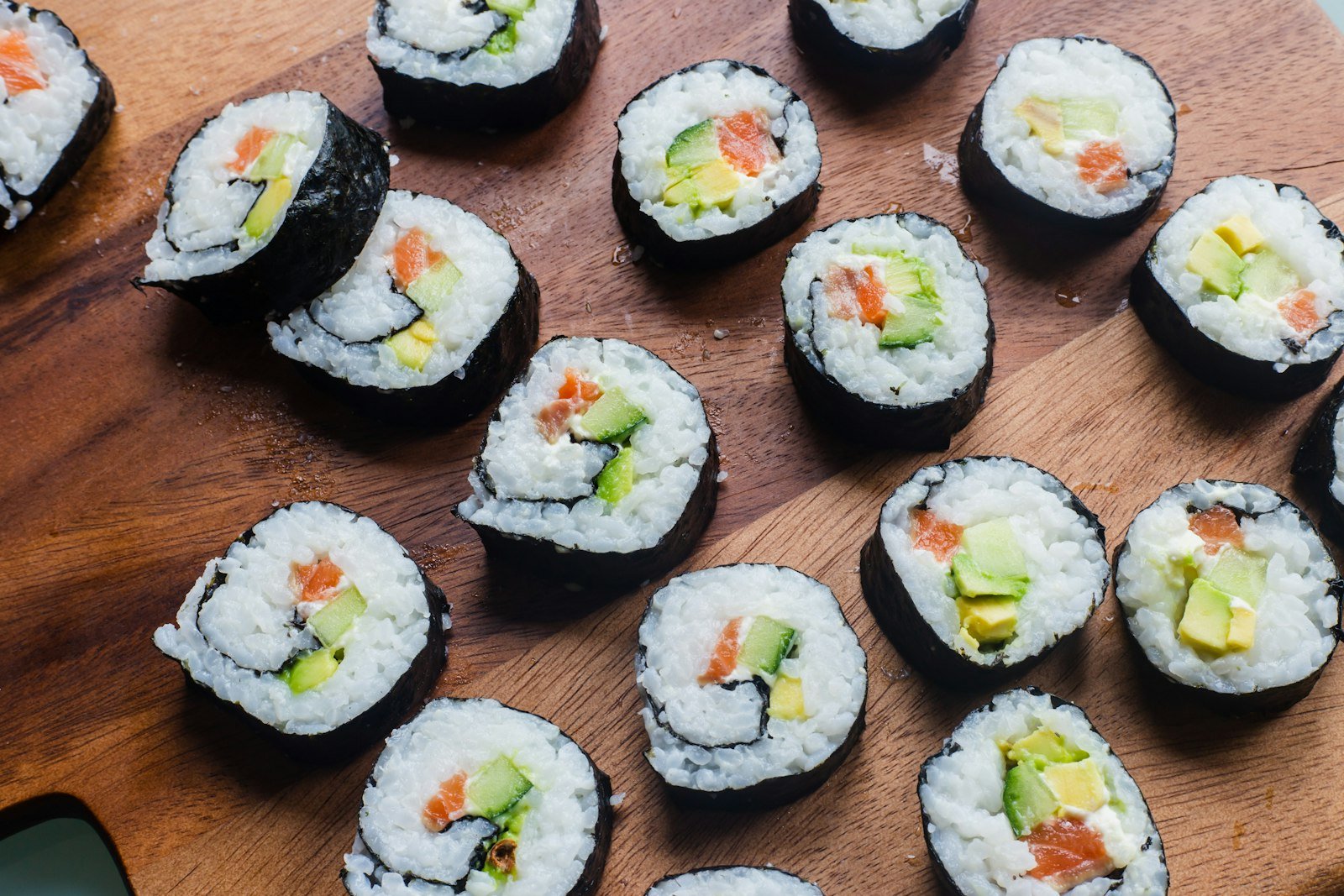
Can you eat sushi while pregnant? Yes, as long as nothing on the plate is raw: vegetable rolls, rolls with fully cooked fish or shrimp, and tamago made with firm egg are all fine. Sashimi, nigiri with raw fish, raw shellfish and rolls with cold-smoked salmon wait until after the baby is born. When a pregnant guest sat at my table on a sushi night, I simply made her a platter of cooked and vegetable rolls, and she never felt left out.
In short
| Question | Answer |
|---|---|
| Can you eat sushi while pregnant? | Yes, if every filling is cooked or plant-based |
| Raw fish (sashimi, nigiri, poke) | Avoid, even if the fish was frozen first (NHS) |
| Cold-smoked salmon in rolls | Avoid unless cooked in a hot dish (CDC) |
| Safe choices | Vegetable rolls, cooked shrimp or eel, cooked crab or imitation crab, firm tamago |
| High-mercury fish to skip, cooked or raw | King mackerel, marlin, orange roughy, shark, swordfish, Gulf tilefish, bigeye tuna (FDA) |
| How much fish per week | 8 to 12 ounces (2 to 3 servings) of lower-mercury fish (FDA) |
Guidance from the FDA, CDC and NHS, checked in November 2026.
Why raw fish is off the menu
The CDC lists raw or undercooked fish and shellfish, including sashimi, sushi and ceviche, among the foods to avoid during pregnancy. The FDA explains that raw fish is more likely to carry parasites or bacteria than cooked fish.
The bacterium that worries doctors most is Listeria. According to the FDA, pregnant women are about 10 times more likely than the general population to get listeriosis, and the infection can lead to miscarriage, stillbirth or premature delivery. Listeria survives in the fridge, and contaminated fish looks, smells and tastes normal.
Does freezing make raw fish safe?
No. Freezing kills many parasites, which is why some older advice allowed sushi made with frozen raw fish. The NHS now lists sushi made with raw fish among the foods to avoid in pregnancy, even if it has been previously frozen, because freezing does not get rid of Listeria.
What sushi you can order
Sushi is not just raw fish. Plenty of it is cooked or contains no fish at all.
- Vegetable rolls: cucumber, avocado, carrot, pickled radish, sweet potato tempura.
- Cooked fish and shellfish: cooked shrimp (ebi), grilled eel (unagi), cooked crab, imitation crab sticks, which are made from cooked fish paste.
- Tamago: the sweet layered omelet, as long as it is firm all the way through.
- Hot dishes: tempura rolls, cooked salmon teriyaki, miso soup.
Ask how each roll is prepared. A “spicy salmon” or “dynamite” roll may be raw or seared only on the outside, and seared still counts as undercooked.
What sushi to skip
- Sashimi and nigiri with raw fish: tuna, salmon, yellowtail, sea bream and the rest.
- Raw shellfish: raw scallop, oysters, sea urchin.
- Rolls with cold-smoked salmon, often called a “Philadelphia roll”. The CDC advises against refrigerated smoked seafood unless it is cooked in a hot dish or comes canned or shelf stable.
- Poke bowls and ceviche: marinating fish in citrus does not cook it in a food safety sense.
Watch the mercury too
Mercury is a separate issue from bacteria: cooking does not remove it. The FDA tells pregnant women not to eat king mackerel, marlin, orange roughy, shark, swordfish, tilefish from the Gulf of Mexico and bigeye tuna, because of their high levels of methylmercury.
That still leaves a lot of fish. The FDA and EPA recommend that people who are pregnant or breastfeeding eat 8 to 12 ounces of a variety of lower-mercury seafood a week, which is 2 to 3 servings of 4 ounces from the “Best Choices” list. Cooked shrimp, salmon and crab are on it, so a cooked sushi platter counts toward that goal.
Ordering out and making it at home
Choose a restaurant that keeps raw and cooked preparations apart. A vegetable roll cut on the same board, with the same knife, as raw tuna picks up whatever was on the tuna. It is fair to ask the chef to change gloves or use a clean board; good sushi bars are used to the request.
At home, sushi night is easy to adapt:
- Cook the fish fully. The FDA’s safe internal temperature for fish is 145°F (63°C), when the flesh turns opaque and flakes with a fork.
- Prepare the cooked and vegetable fillings first, then any raw fish for other guests, on a separate board.
- Put leftovers back in the fridge within 2 hours, the USDA’s limit for perishable food left at room temperature.
If you already ate raw sushi
One sushi meal does not mean something will go wrong, and most people never get sick. Watch for fever, chills, muscle aches, diarrhea or an upset stomach in the following weeks, and call your doctor or midwife if they appear, mentioning what you ate. According to the CDC, symptoms usually start within 2 weeks of eating contaminated food but can appear as late as 10 weeks after.
More food questions like this one are in the cooking section.