

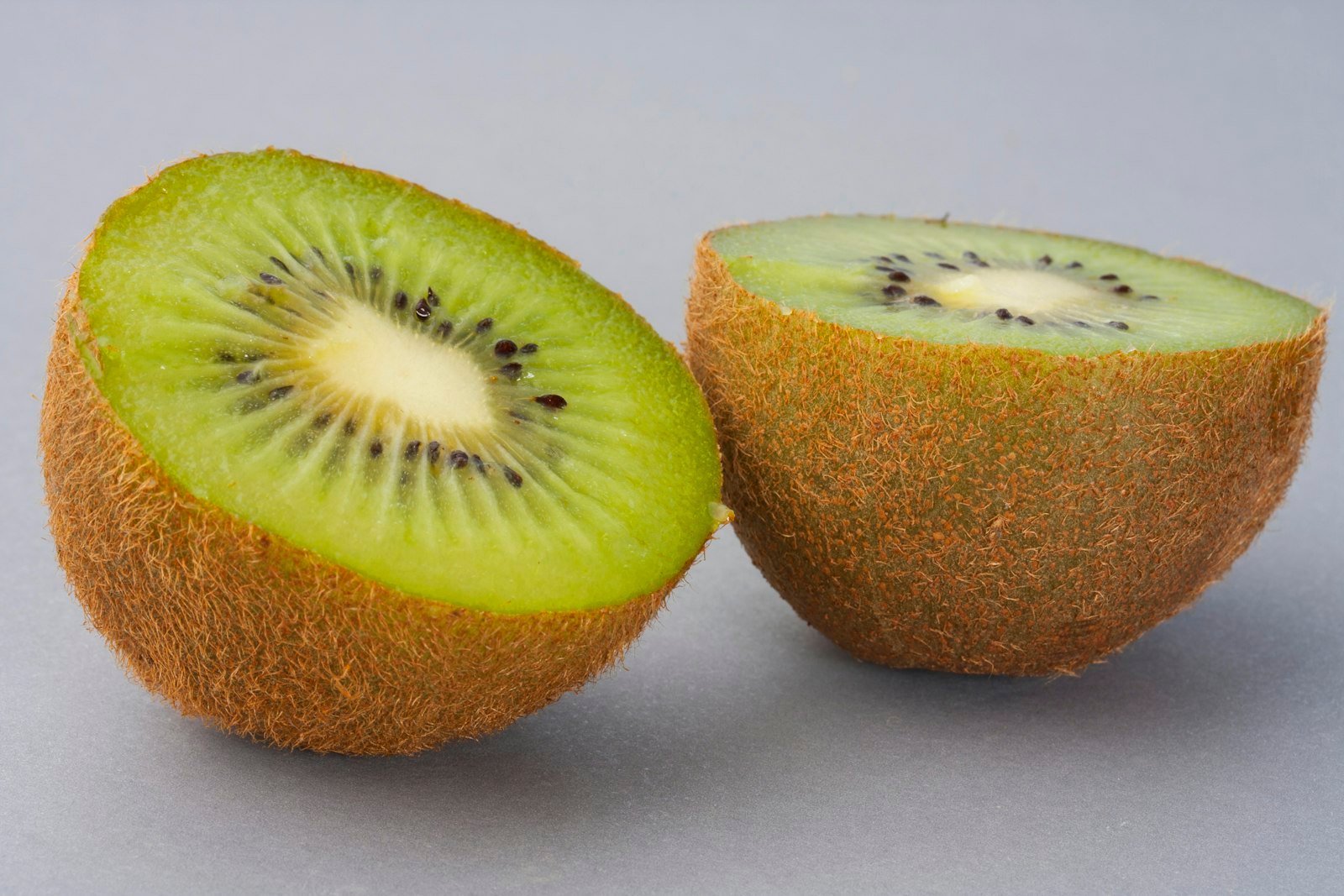
Can You Eat Kiwi Skin? Yes, Here Is How to Make It Pleasant

Can you eat kiwi skin? Yes. The thin brown skin of a green kiwi and the smooth bronze skin of a gold kiwi are both edible, as long as the fruit is rinsed first. The only real questions are texture and a few people who are better off peeling: guests at my table asked me about it every winter, usually while staring at a spoon.
In short
| Question | Answer |
|---|---|
| Is kiwi skin safe to eat? | Yes, for both green and gold kiwis, once rinsed under running water |
| What does it add? | Extra fiber and part of the fruit’s antioxidants, plus zero waste |
| The catch | The fuzz on green kiwis, which some people dislike |
| Easiest kiwi to start with | Gold kiwi: its skin is smooth and thin |
| Who should peel it | People with a kiwi or pollen food allergy, and anyone told to limit oxalate because of kidney stones |
Why kiwi skin is edible
The skin is part of the fruit, not a protective shell like a banana peel or a melon rind. It is thin, soft once the kiwi is ripe, and carries no substance that makes it unsafe for the average eater. Every common variety sold in stores, green or gold, has an edible skin.
What changes is the feel. A green kiwi has a fuzzy skin, covered in short brown hairs that some people find scratchy on the tongue. A gold kiwi has a smooth, almost hairless skin that you barely notice once sliced.
What the skin adds
A good share of a kiwi’s fiber and antioxidants sits in and just under the skin. Cleveland Clinic dietitians put the extra fiber at about half again what you get from the flesh alone, which is a fair reward for doing nothing at all.
The other gain is practical. No peeling means no waste and no fiddly knife work: a whole kiwi becomes a snack you can eat like a plum.
How to eat kiwi skin without the fuzz bothering you
The skin is fine to eat; the fuzz is what puts people off. A few simple moves solve most of it.
- Rinse it under running water. The FDA advises washing produce under plain running water just before eating, without soap or produce wash (guidance checked in November 2026).
- Rub off the hairs. While rinsing, rub the kiwi with a clean kitchen towel or a soft vegetable brush. Most of the fuzz comes off in ten seconds.
- Slice it thin. Rounds about 1/4 inch (6 mm) thick make the skin almost invisible, especially in a fruit salad or on yogurt.
- Start with gold. If you have never tried it, a gold kiwi is the easy first step.
- Blend it. In a smoothie, the skin disappears completely.
Choose a ripe kiwi: it gives slightly under the thumb. An underripe one has a tougher, more acidic skin, and that first bad bite is often why people give up.
When to peel it instead
A few situations call for the spoon or the peeler, without any guilt about the waste.
Kiwi allergy or pollen food allergy
Kiwi is a known food allergen. People with a birch pollen allergy can also react to raw kiwi through pollen food allergy syndrome (an itchy mouth or scratchy throat caused by proteins that look like pollen to the immune system), according to the American College of Allergy, Asthma and Immunology. Peeling does not remove the allergen, since it is in the fruit as well. If kiwi makes your mouth itch or your lips swell, stop eating it and see an allergist, and call emergency services for any trouble breathing.
Kidney stones
Kiwi skin contains oxalates, natural compounds that can contribute to the most common type of kidney stone in people prone to them. If a doctor has told you to limit oxalate, peel your kiwis and ask your doctor or dietitian whether kiwi fits your diet at all.
Young children
The fuzzy skin is harder to chew and swallow. For a young child, peel the kiwi and cut it into small pieces suited to their age.
A damaged or moldy skin
A bruise can be cut away. Mold, a sour or fermented smell, or a mushy, leaking fruit means the whole kiwi goes in the trash, skin and all.
How to store kiwis so the skin stays good to eat
Unripe kiwis ripen on the counter in a few days, faster in a paper bag with an apple or a banana. Once ripe, keep them in the fridge, where they hold for a good while longer.
Wash them only just before eating, not when you bring them home: moisture on the skin speeds up mold in the fridge. You will find more storage markers like this one in the cooking section.
